PET Sheet, scientifically named Polyethylene Terephthalate Sheet, is an environmentally friendly engineering plastic sheet extruded or calendered from high-performance PET resin. Its core positioning is "a food-grade safe, chemical-resistant multi-functional sheet that meets precise needs across multiple fields".
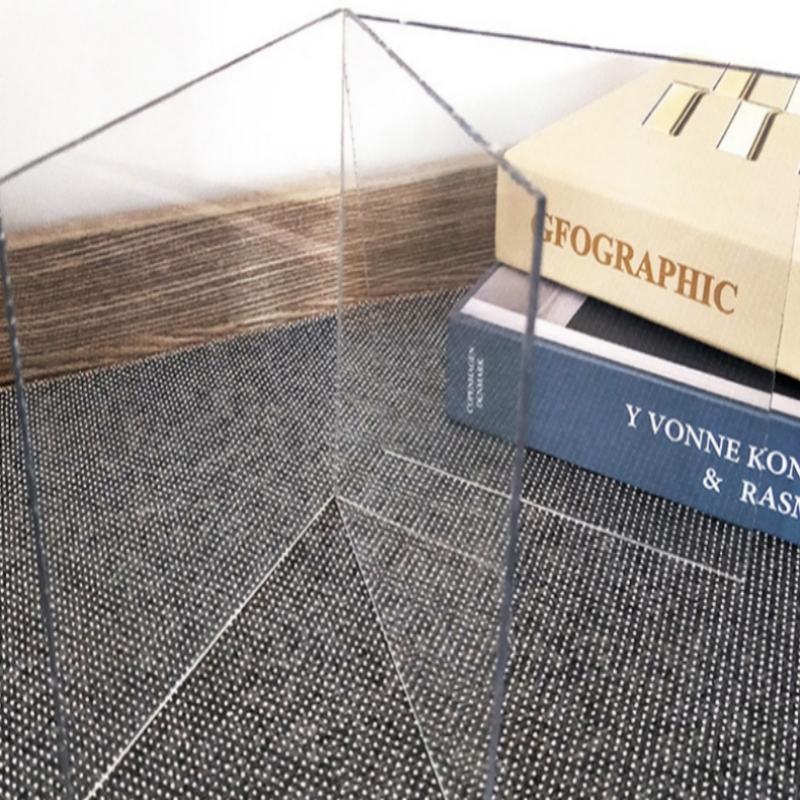
I. Core Definition & Material Properties
Base material: Food-grade/industrial-grade PET resin, free of harmful substances such as BPA and heavy metals, complying with international safety standards including FDA, RoHS, and CE.
Form: Mainly solid flat sheets, with optional customized surface treatments like matte or film-coating. Thickness typically ranges from 0.5mm to 20mm, supporting on-demand cutting.
Core physical properties: Density of 1.38g/cm³, combining high rigidity and toughness. It is wear-resistant, not easily deformed, and possesses good light transmittance and electrical insulation.
II. Key Core Advantages
Food-grade Safety & Environmental Friendliness: Non-toxic, odorless, and no harmful substance leaching, suitable for direct food contact. Easily recyclable, aligning with green and low-carbon development needs.
Excellent Chemical Resistance: Resists erosion from acids, alkalis, oils, organic solvents, etc., adapting to special environments such as industrial and medical settings.
Stable Physical Performance: Heat-resistant up to 120℃, not prone to brittleness at low temperatures. It has excellent dimensional stability and won’t deform during long-term use.
Easy Processing & Adaptability: Can be cut, drilled, bent, thermoformed, printed, bonded, etc., meeting customized needs of different scenarios.
III. Common Specifications & Differentiating Features
Regular widths: 1.22m, 1.5m, 2.0m (maximum customizable width up to 3m); length can be cut on demand.
Colors: Transparent, white, black, gray, etc. (transparent version has a light transmittance of over 85%, while colored versions meet light-shielding or decorative needs).
Differences from similar sheets: More environmentally friendly and cost-effective than PC sheets (endurance sheets/sun sheets) with better chemical resistance. More wear-resistant and less prone to yellowing than acrylic sheets. Safer and non-toxic than PVC sheets, suitable for food contact scenarios.
IV. Typical Application Scenarios (Brief)
Covers food packaging, electronics, medical care, industry, architectural advertising and other fields, such as food blister packs, electronic component spacers, medical device parts, industrial wear-resistant parts, advertising substrates, etc. The core functions have been detailed previously, so they are not repeated here.
Would you like me to sort out a PET Sheet core parameters + English comparison manual, including material standards, specification ranges, performance indicators and high-frequency foreign trade terms, for direct use in product introduction or customer consultation?